
The Ultimate Guide to Noosa National Park
Nestled on Queensland’s Sunshine Coast, Noosa National Park is a coastal treasure recognised by UNESCO for its stunning landscapes and rich biodiversity. Visitors come for the iconic Coastal Walk, chance encounters with rare wildlife like koalas, and the legendary surf breaks along its shores.
A peaceful bush stroll, spotting wildlife, or catching waves - this ultimate guide will help you explore the park to its fullest and uncover its hidden gems.
Where is Noosa National Park?
Location: Palm Grove Cct, Noosa Heads QLD 4567
Opening hours: 24 hours
From Loea Boutique Hotel: just a 40-minutes drive
Free Activities At Noosa National Park
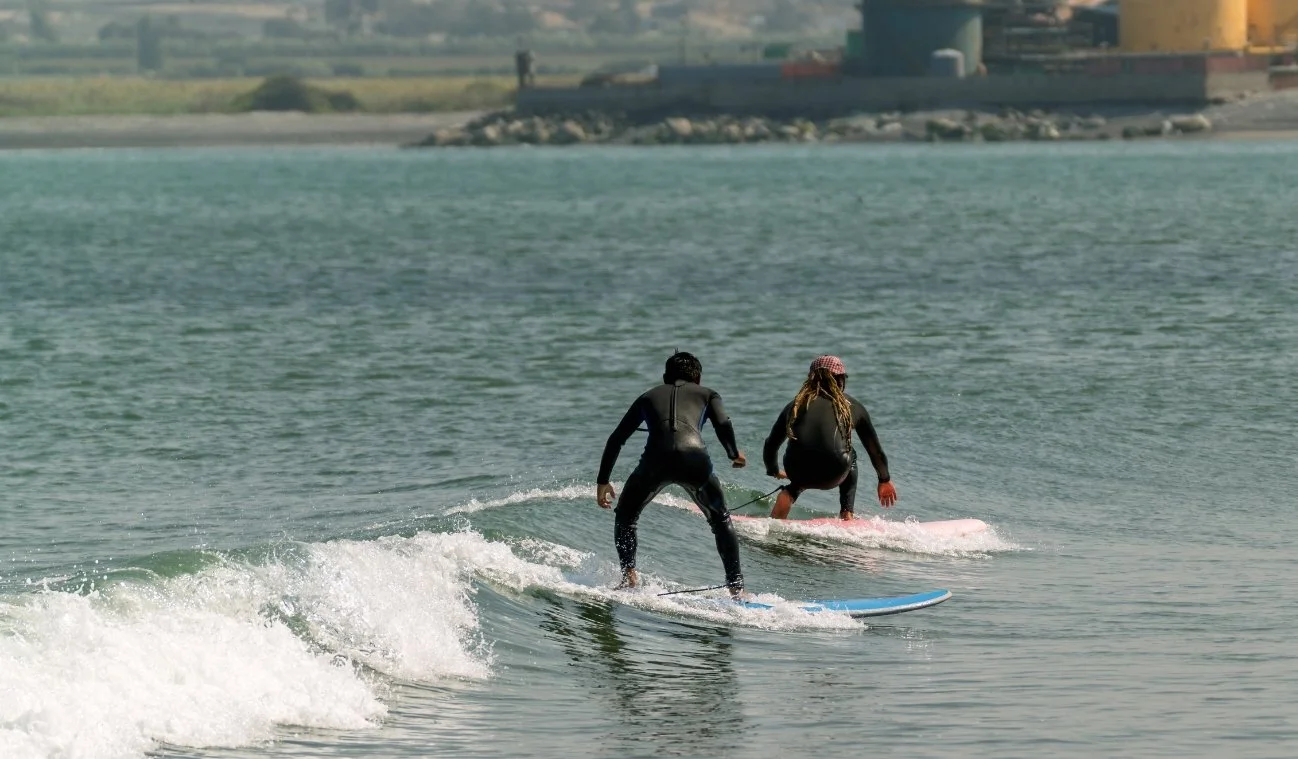
1. Surfing At The Point Breaks
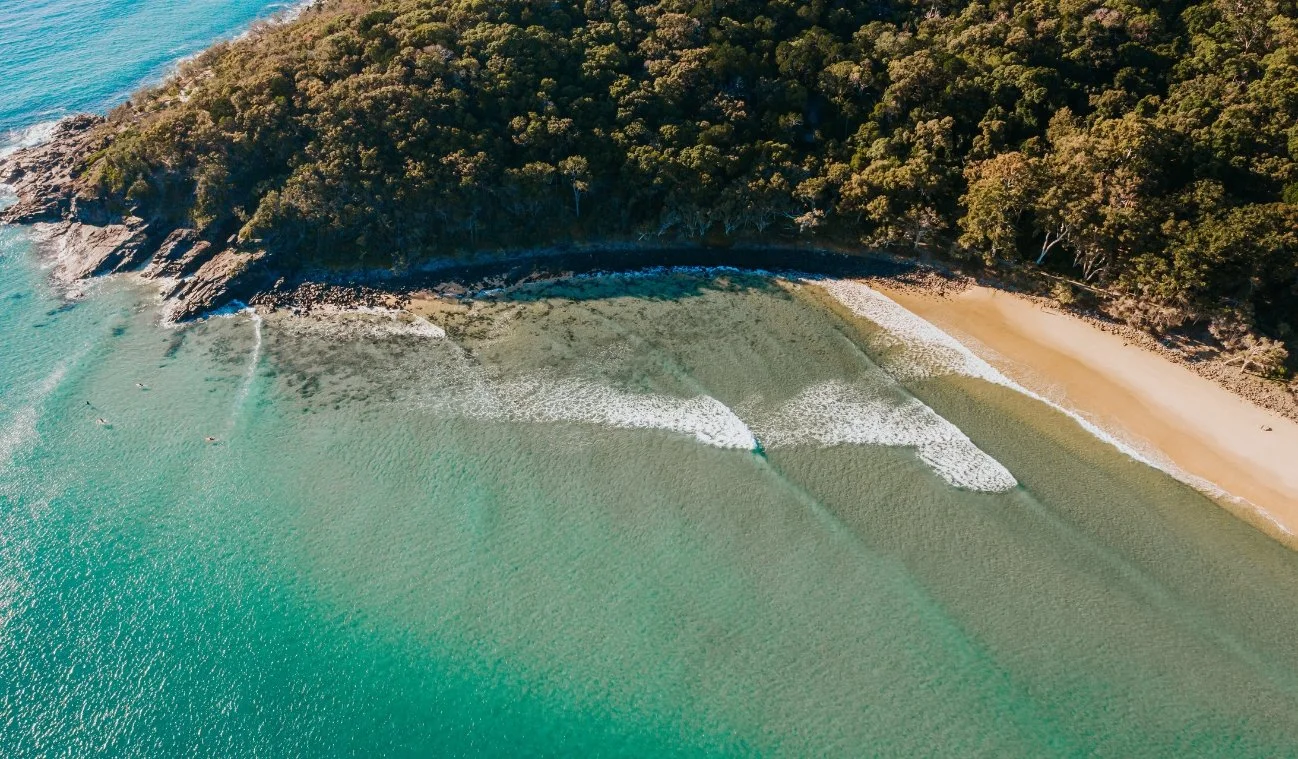
Noosa is renowned for its right-hand point breaks, where waves peel smoothly along the coastline, creating long, rideable sections suited to different skill levels. Spread across several breaks within the national park.
First Point: Small, consistent, and very mellow waves (usually 0.5–1m). This is a longboarder’s paradise and perfect for beginners.
Tea Tree Bay: The park’s most picturesque surf spot. Waves can reach 1–2m when there’s a good swell. They’re long rides, letting you surf hundreds of metres if you’ve got the skill.
Granite Bay: Deeper into the park, often catching the biggest waves. On rough days, waves can top 2–2.5m, ideal for pro shortboarders due to their steep, powerful nature.
Tip: If you’re new to surfing, stand back at Tea Tree Bay to watch the pros in action. For actual practice, First Point (right by the entrance) is the safest bet.
2. Swim At The Hidden Beaches
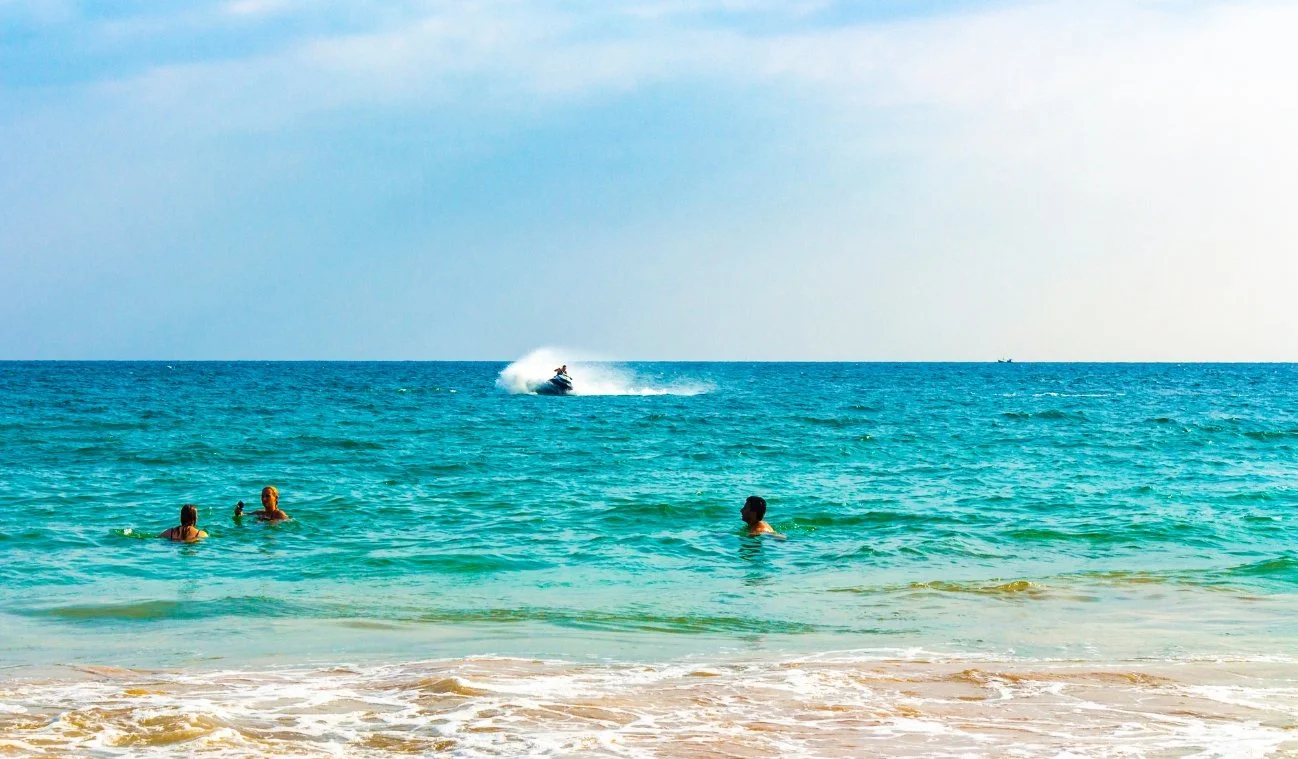
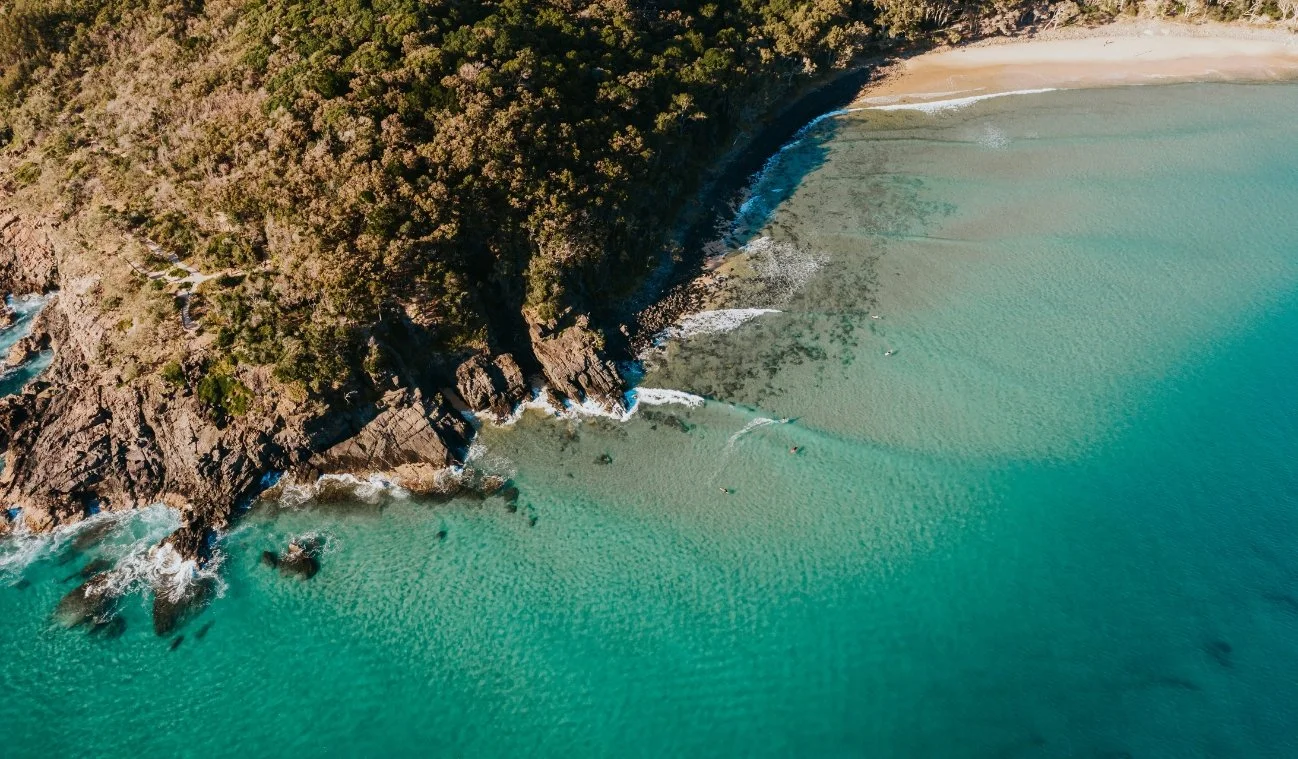
Beyond the busy Main Beach, Noosa National Park offers quieter swimming spots such as Tea Tree Bay and Granite Bay, known for their clear water and more secluded setting. These beaches provide a calmer alternative for those willing to walk further into the park, though conditions are less controlled.
However, it’s important to note that all beaches within Noosa National Park are unpatrolled, and conditions can change quickly. Strong currents, hidden rips, and waves are common — especially at more exposed spots like Granite Bay and Alexandria Bay. Some areas are better suited for surfing than swimming due to stronger, steeper waves.
Note: If you go during summer, you may occasionally encounter box jellyfish or Irukandji jellyfish. It’s recommended to wear a stinger suit (long-sleeve swimwear) to protect your skin if you plan on swimming for a while.
3. Wildlife Spotting
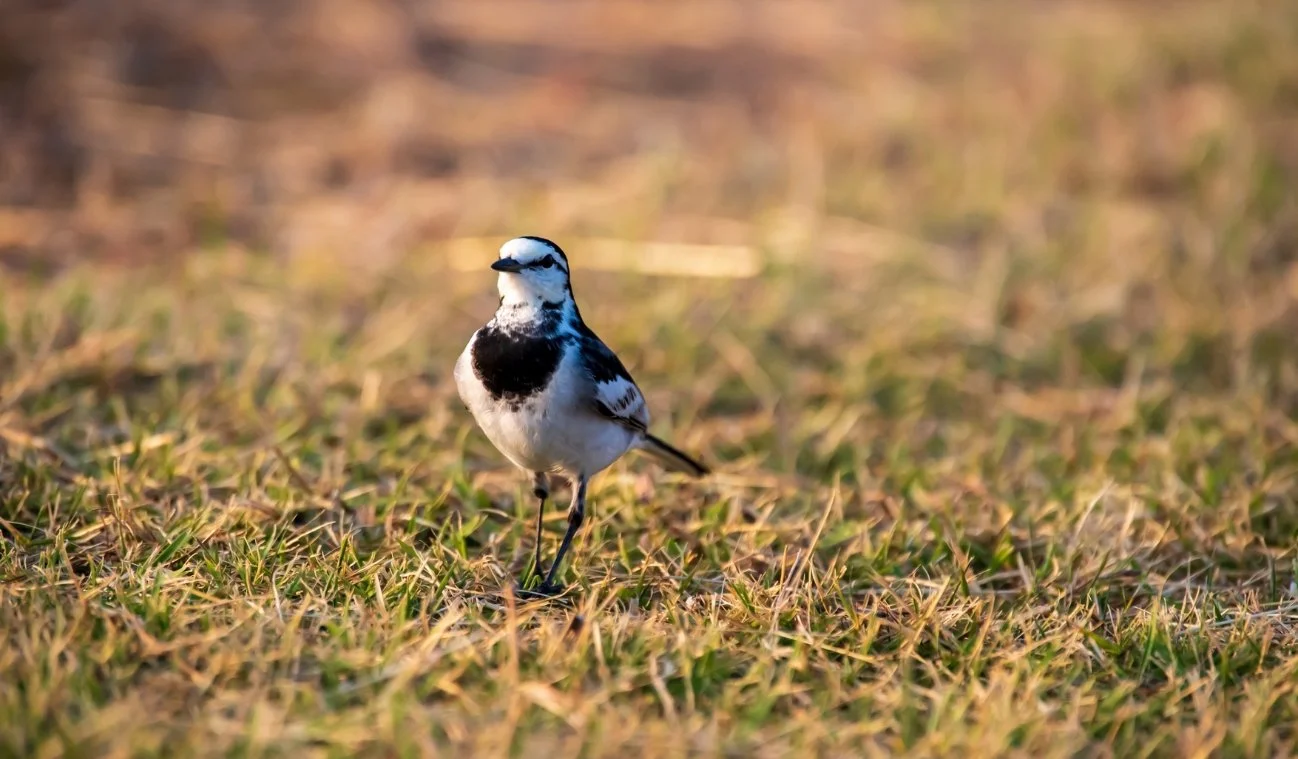
Noosa National Park offers plenty of opportunities to observe wildlife in its natural setting. Along the trails, you can spot koalas resting in eucalyptus trees, while coastal spots like Dolphin Point are good places to see dolphins offshore, and even whales.
When exploring, it’s important to follow basic wildlife etiquette—keep a respectful distance, avoid feeding animals such as brush turkeys or lace monitors, and observe quietly without disturbing their habitat.
4. Explore the Fairy Pools
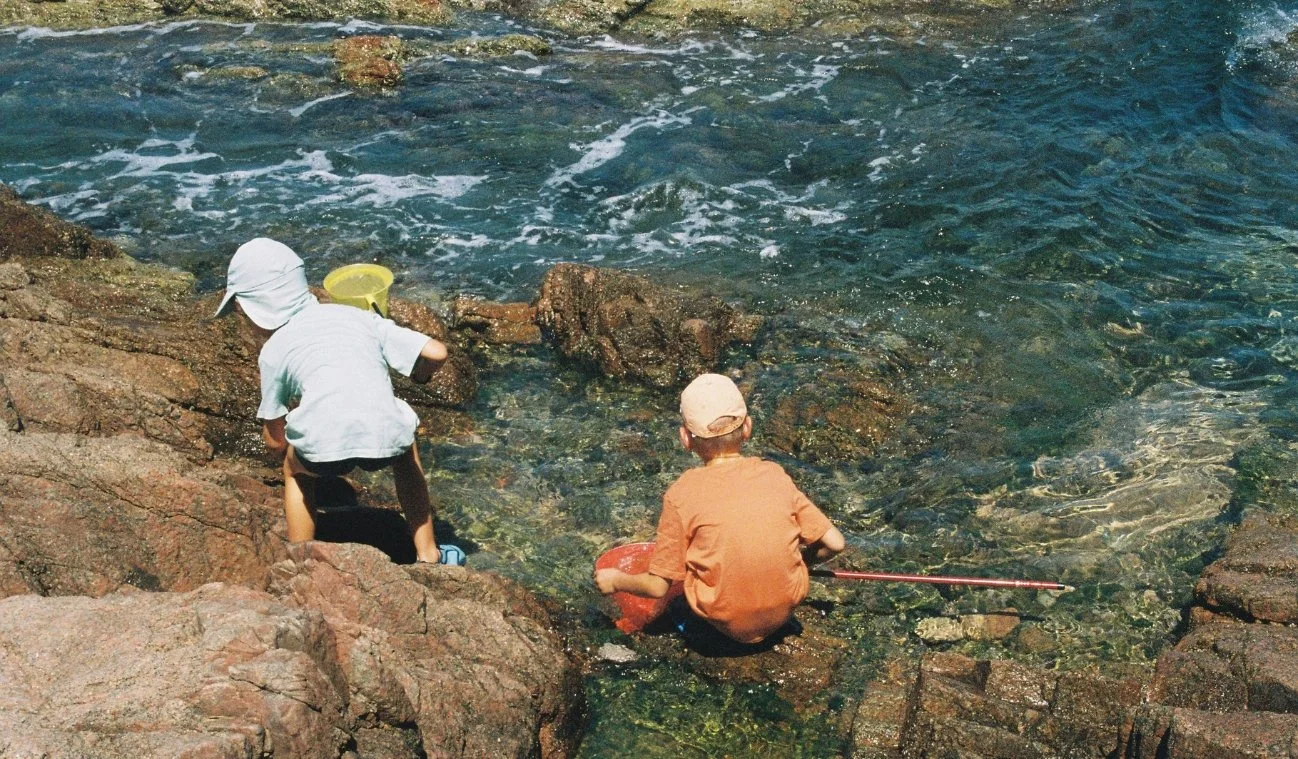
The Fairy Pools are two natural rock pools nestled among the coastal cliffs, formed when the tide goes out and seawater collects in the rocks.
These pools create clear, calm spots that are suitable for a quick swim or taking photos. However, timing is important; you should visit during low tide so the pools are fully revealed and conditions are safe enough to enter the water.
5. Take A Walk Along The Coastal Walk
Dolphin Point, which is a common spot for dolphin sightings, and Hell’s Gates, where you can observe steep cliffs and strong waves hitting the coastline. This walk allows you to experience multiple key highlights of the park in a single route while following the natural contours of the coast.
Dolphin Point, which is a common spot for dolphin sightings.
Hell’s Gates, where you can observe steep cliffs and strong waves hitting the coastline
Paid Activities and Tours
If you’re after a more immersive or adrenaline-filled experience, you can check out the following tours:
| Activity / Tour | Price (AUD) | Includes |
| Learn to Surf at Noosa Heads | $80–$100 per person | 2-hour beginner course at the beach right by the park. |
| Dolphin Safari Cruise | $90–$110 per person | High-speed boat along the national park coastline in search of dolphins and sea turtles. |
| Noosa Jet Ski Ocean Tour | $230–$260 per jet ski | Jet ski rental for a 60–90 minute ride along the park’s coastline. |
| Kayak Tour at Noosa Everglades | $100–$160 (half-day/full-day) | Usually departs near the park and takes you into the famous “mirror-like” river and lake system. |
| Guided Eco-Walk | $50–$70 per person | Local guide leads you and shares detailed insights about the ecosystem and Indigenous history. |
What’s the Best Way to Get to Noosa National Park?
Getting to Noosa National Park is straightforward, with several transport options depending on how you prefer to travel. Whether you’re staying nearby or coming from other parts of the Sunshine Coast, the park is easily accessible by foot, public transport or car.
On foot: 15-20 minute stroll from Hastings Street along the coastal boardwalk directly to the main entrance.
By bus: Take local routes (626, 627, 631) to Noosa Heads; free holiday buses often run during peak tourist seasons.
By car: Drive to the end of Claude Batten Drive; limited on-site parking available (usually fills up before 8:00 AM).
By ferry: Hop on the Noosa Ferry from Noosaville to Hastings Street, then a short walk to the park gates.
Essential Tips for Families Visiting Noosa National Park
A little planning can make a family visit to Noosa National Park more comfortable and manageable, especially with changing weather, limited parking and a mix of walking tracks. The tips below focus on timing, preparation and simple ways to enjoy the park while respecting its natural environment.
Best time to visit: Visit during Spring (September - November) for mild weather and peak wildflower blooms, or Winter (June - August) for a chance to spot migrating whales.
Ideal hours: Arrive before 7:30 AM to snag a parking spot and beat the midday Aussie heat; sunrise at Hell’s Gates is a must-see.
Packing list: Bring a refillable water bottle (taps available at the entrance), sunscreen, a hat, and sturdy walking shoes for the rocky tracks.
Looking after the park: Help protect the environment by staying on marked paths, taking rubbish with you, and respecting wildlife so the park can be enjoyed in the future.
Recommended Places to Stay Near Noosa National Park
For those planning a visit to Noosa National Park, choosing the right base can make the experience more seamless and enjoyable. Travellers can consider staying at Loea Boutique Hotel, which allows for an easy day trip to the park before returning to a stylish boutique retreat close to Sunshine Coast beaches, dining spots and scenic walks.
Book your stay today to enjoy easy access to Noosa National Park, coastal comfort, and a relaxed Sunshine Coast escape.
