
A Seasonal Guide to Visiting the Sunshine Coast Year-Round
With sunny beaches and outdoor attractions to enjoy throughout the year, the Sunshine Coast is a destination for every season. However, weather conditions can influence everything from beach days and hiking trips to wildlife encounters and local events. Understanding what each season brings will help you plan a trip that matches your interests. In this guide, we'll explore Sunshine Coast weather patterns and the best times to visit for different types of travellers.
What Is the Weather Like on the Sunshine Coast?
The Sunshine Coast enjoys a humid subtropical climate, making it one of Australia's most appealing year-round destinations. True to its name, the region experiences plenty of sunshine throughout the year, with warm temperatures, relatively mild winters, and outdoor-friendly conditions across all seasons. Queensland is often associated with around 300 sunny days annually, which helps explain why the Sunshine Coast remains a popular destination regardless of the time of year.
While the weather is generally pleasant year-round, each season brings its own characteristics:
Summer: The hottest and most humid time of year, with average daytime temperatures of 28-30°C. Afternoon showers and thunderstorms are more common, particularly in January and February.
Autumn: Temperatures typically range from 20-27°C, with lower humidity and comfortable conditions for outdoor activities.
Winter: Mild and generally dry, with daytime temperatures averaging 17-22°C. Evenings can be cooler, but sunny days remain common.
Spring: Temperatures gradually warm to around 21-27°C, bringing pleasant weather, lower rainfall, and ideal conditions for exploring both the coast and hinterland.
Summer (December to February) - Heat, Humidity & Storms
December
December marks the beginning of summer on the Sunshine Coast, bringing warmer temperatures, longer daylight hours, and a noticeable increase in visitors. School holidays and Christmas celebrations create a lively atmosphere across the region, with beaches, markets, and coastal towns becoming increasingly busy. While crowds begin to build, the month still offers a balance between festive energy and manageable visitor numbers compared to January.

January
January is typically the busiest month on the Sunshine Coast. Australian school holidays are in full swing, accommodation demand is at its highest, and popular attractions often experience their largest crowds of the year. The hot weather makes it ideal for beach days, water sports, and outdoor events, but travellers should expect higher prices and book accommodation well in advance. For those who enjoy a vibrant holiday atmosphere, January delivers the classic Sunshine Coast summer experience.

February
As school holidays come to an end, February offers many of summer’s benefits without the peak-season crowds. Beaches remain warm, ocean temperatures are ideal for swimming, and outdoor activities continue to be popular. Accommodation availability generally improves, and some travelers find better value compared to the busy New Year period. It is often considered one of the most comfortable months for visitors seeking summer weather with a more relaxed pace.

Autumn (March – May) - Mild Weather & Fewer Crowds
March
March often feels like an extension of summer, with warm temperatures and plenty of sunshine still encouraging beach visits and outdoor activities. Visitor numbers begin to ease after the busy holiday period, creating a more relaxed atmosphere across popular destinations such as Noosa and Mooloolaba. It is a great month for travelers seeking warm weather without the peak-season crowds.

April
April brings slightly cooler temperatures and lower humidity, making it one of the most comfortable months for exploring the Sunshine Coast. Easter and school holiday periods can attract a temporary surge in visitors, particularly around major attractions and coastal accommodation. Outside these holiday weeks, conditions remain ideal for hiking, scenic drives through the hinterland, and outdoor dining.

May
May is often considered one of the region’s hidden gems. Temperatures remain mild, rainfall is generally lower, and visitor numbers drop noticeably compared to summer. Accommodation availability improves, making it easier to secure popular stays and often at better rates. It is an excellent month for travelers looking for a quieter Sunshine Coast experience.

Winter (June – August) – Whale Watching & Quiet Travel Season
June
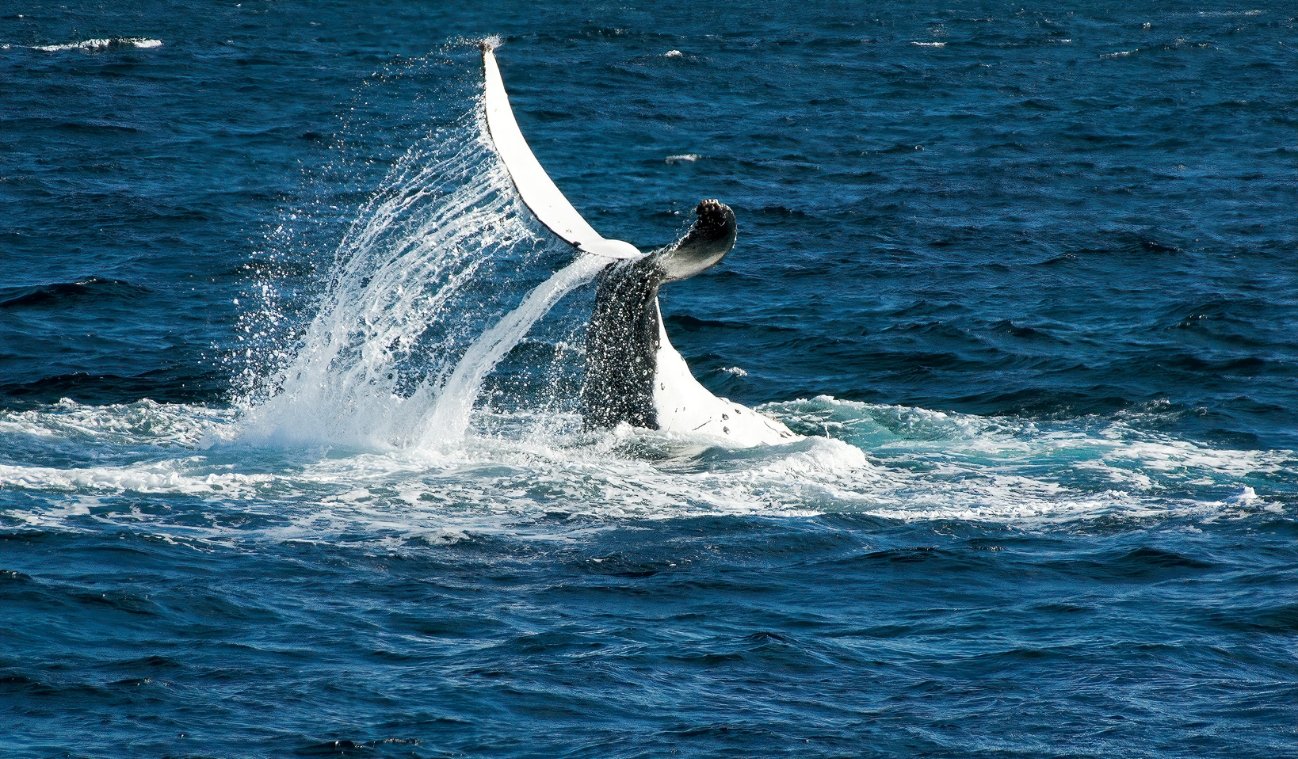
Winter arrives with cooler mornings and comfortable daytime temperatures, but sunshine remains a regular feature. June marks the beginning of the annual whale migration along the Queensland coast, drawing visitors eager to spot humpback whales offshore. With fewer crowds and generally lower accommodation prices, it is a popular time for relaxed coastal getaways.
July
July is one of the busiest winter months due to Australian school holidays and the peak of the whale-watching season. Whale-watching tours operate frequently, while clear skies and mild temperatures make outdoor activities enjoyable throughout the day. Although visitor numbers increase during holiday periods, the region remains far less crowded than during summer.
August
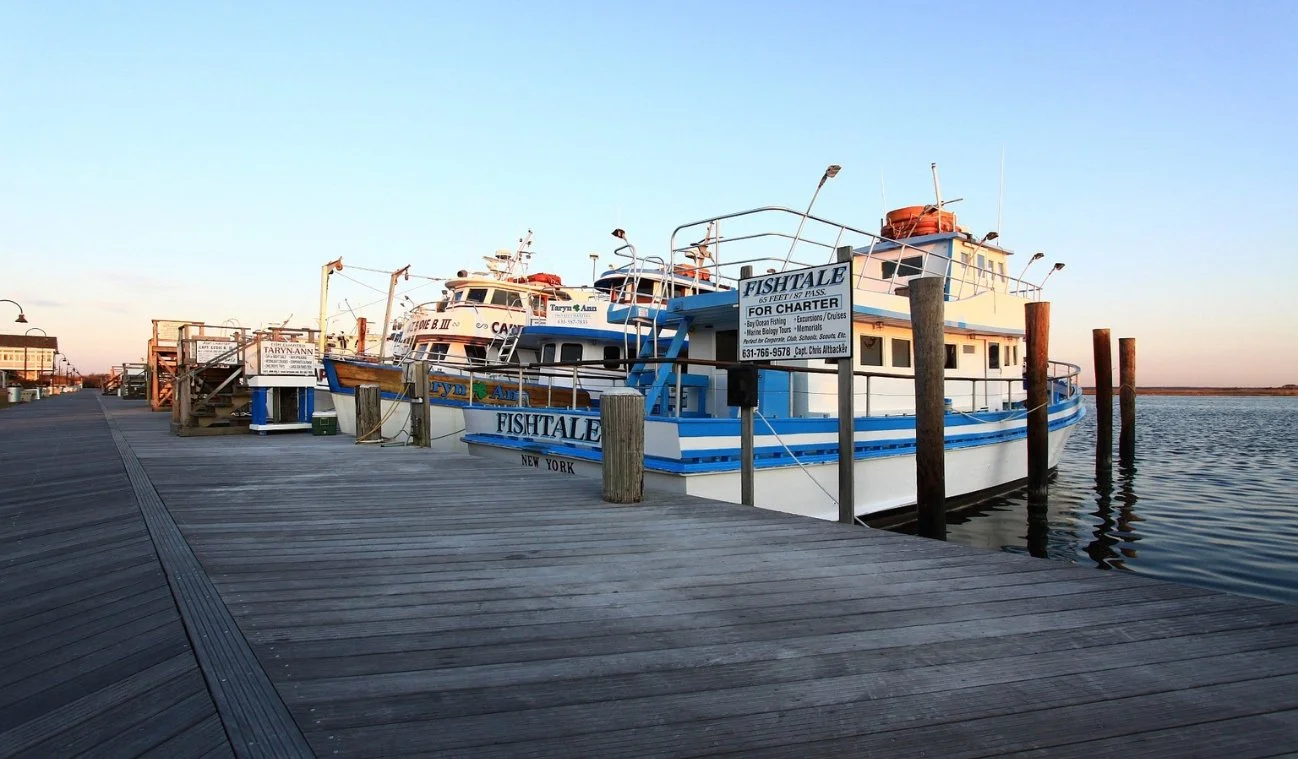
August combines cool mornings with pleasant daytime temperatures, making it particularly appealing for hiking, cycling, and exploring the hinterland. Whale watching remains excellent, and many visitors take advantage of the dry conditions to enjoy national parks and scenic lookouts. As school holiday crowds disappear, the Sunshine Coast returns to a quieter pace.

Spring (September – November) – Blooms & Outdoor Events
September
September brings the transition from winter to spring, with temperatures beginning to rise and outdoor events becoming more frequent. Wildflowers appear across parks and hinterland landscapes, while whale watching continues along the coast. Visitor numbers remain moderate, making it a pleasant time to explore both the beaches and inland attractions.

October
Many travelers consider October one of the most enjoyable months on the Sunshine Coast. Temperatures are warm without being overly hot, humidity remains relatively low, and rainfall is generally limited. These conditions create ideal opportunities for beach days, hiking adventures, and exploring local markets and coastal towns.

November
November brings longer days and increasingly warm temperatures as summer approaches. Beaches become more popular, and the region starts preparing for the upcoming holiday season. Despite the summer-like conditions, visitor numbers are usually lower than those seen during December and January, making November an attractive option for travelers seeking warm weather and fewer crowds.

When Is the Best Time to Visit the Sunshine Coast?
If you’re planning a trip to the Sunshine Coast, the best time to visit is typically between September and November. Spring offers warm, sunny days with lower humidity, making it perfect for beach outings, coastal walks, and exploring national parks. This season also brings fewer crowds compared to summer, allowing you to enjoy popular attractions, local markets, and outdoor experiences in a more relaxed setting.
That said, the Sunshine Coast remains a great destination throughout the year. Summer is ideal for those seeking a classic beach holiday with a lively atmosphere, while autumn provides mild weather and a quieter travel experience. Winter, on the other hand, offers comfortable temperatures and unique highlights such as whale watching. No matter when you visit, each season brings its own charm and memorable experiences.
Travel Tips for Visiting the Sunshine Coast
Book accommodation early if travelling during summer, Easter, or school holiday periods, as popular areas like Noosa and Mooloolaba can fill up quickly.
Pack sunscreen, a hat, sunglasses, and a reusable water bottle, as UV levels remain high throughout much of the year.
Bring comfortable walking shoes if you plan to explore national parks, coastal trails, or hinterland villages.
Include a light jacket or extra layer, especially for winter mornings, evenings, and hinterland visits.
Arrive early at popular beaches and attractions to secure parking and avoid the busiest periods of the day.
Keep an eye on the weather and surf conditions if you plan to swim, surf, or participate in water-based activities.
Stay Close to the Best of the Sunshine Coast at Loea Boutique Hotel
No matter the season you choose to visit, the Sunshine Coast offers something special, from sunny beach days in summer to peaceful coastal escapes in winter. Planning around the weather helps you experience the region at its best, and choosing the right place to stay makes all the difference. Located in the heart of the coast, Loea Boutique Hotel provides a stylish and comfortable base to explore year round highlights, including coastal walks, national parks, vibrant dining spots, and iconic beaches.
Make your Sunshine Coast getaway easy and memorable with a stay at Loea Boutique Hotel. With thoughtfully designed rooms, premium comforts, and convenient access to top attractions, it is the perfect place to unwind after a day of exploring. Book your stay today and enjoy a relaxed coastal escape in every season.

FAQs
1. What is the best month to visit the Sunshine Coast?
October and November are often considered the best months to visit the Sunshine Coast. The weather is warm and pleasant, the humidity is relatively low, and visitor numbers are generally lower than during the peak summer holiday season.
2. What is the busiest time of year on the Sunshine Coast?
The busiest period is typically from December to January during the Australian summer school holidays. Beaches, attractions, restaurants, and accommodation are often at their busiest, so advance bookings are recommended.
3. Is winter a good time to visit the Sunshine Coast?
Yes. Winter on the Sunshine Coast is generally mild and sunny, with daytime temperatures often reaching the low to mid-20s°C. It is also the peak season for whale watching and a great time to enjoy outdoor activities with fewer crowds.
4. How many days should I spend on the Sunshine Coast?
Most visitors spend between three and five days exploring the Sunshine Coast. This allows enough time to enjoy the beaches, visit attractions such as Australia Zoo, explore Noosa National Park, and discover the hinterland towns of Montville and Maleny.